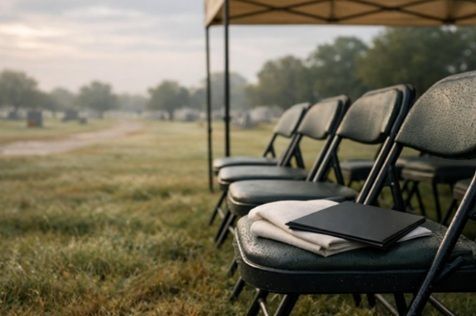
A graveside funeral is a brief service held at the cemetery, usually near the place of burial, with prayers, readings, music, military honors, or personal words shared before the final committal. Families searching for
Carlton funeral home may be trying to understand whether a simple cemetery service can still feel meaningful, and the answer is yes, when the details are planned with care instead of rushed at the last minute.
What A Graveside Service Includes
A graveside service can stand alone or follow a service at a chapel, church, synagogue, mosque, temple, or another gathering place. Some families choose it because their loved one was private, while others choose it because travel, health, weather, or family schedules make a shorter gathering more practical.
The service often includes a welcome, a scripture or poem, a eulogy, a final prayer or blessing, and a short moment of silence. If the person served in the military, honors may include the folding and presentation of the flag, taps, or participation from an honor guard when arranged ahead of time.
One detail families sometimes miss is the pace of the service. At a cemetery, sound carries differently, chairs may be limited, and people may be standing in heat, cold, wind, or rain. A thoughtful 15-minute service can feel more loving than a 45-minute service where older relatives are uncomfortable.
The Cemetery Details Families Often Do Not See
Most of the work of a graveside funeral happens before anyone arrives. The funeral director confirms timing with the cemetery, coordinates the procession, communicates with clergy or celebrants, checks whether family flowers are going to the cemetery, and helps make sure the committal space is prepared.
Cemeteries have their own schedules, grounds crews, equipment needs, and arrival procedures. If one piece is unclear, the family may face delays, confusion about where to park, or a service that starts before key relatives have arrived. That is why we encourage families to choose one main point of contact, rather than having several relatives call the cemetery with different instructions.
Another experience-based point is to ask about the physical setting, not just the time. Is the gravesite close to the road or far across the grounds? Will chairs be placed for immediate family? Is the ground uneven? These details matter for grandparents, wheelchair users, and anyone grieving too deeply to manage extra stress.
If you are unsure where to begin, North Dallas Funeral Home & Cremation Services can walk through the order of service and cemetery coordination with you by phone at
(972) 241-9100.
Choosing the Right Tone for A Short Service
A graveside funeral does not have to feel bare. It becomes personal through small choices that reflect the person’s life, not through adding more and more elements.
We often suggest choosing one clear emotional center for the service. That may be faith, gratitude, military service, family legacy, quiet reflection, or a favorite piece of music. When every relative tries to add “just one more thing,” the service can lose focus and feel harder for mourners to absorb.
Music deserves special thought. Live music can be moving, but wind and outdoor noise may make it difficult. A small speaker can work, but someone should test the volume beforehand and know exactly when to start and stop the selection.
Printed programs are optional, yet they help when the gathering includes people from different parts of the family or faith backgrounds. A simple program can list the order of service, names of speakers, and a short obituary-style tribute.
Burial and Cremation Choices at the Cemetery
Some families picture a graveside service only with a casket burial, but a
cemetery gathering can also be held when cremation has been chosen. The service may take place at a family plot, a memorial garden, a columbarium, or another designated cemetery setting.
The key decision is whether the family wants the cemetery service to be the main public goodbye or a smaller private moment after another memorial. Neither choice is more loving. The right one depends on the loved one’s wishes, the family’s emotional energy, and how many people need a chance to be present.
Waiting too long to make this decision can create pressure. Relatives may book travel before the service format is clear, clergy may become unavailable, and cemetery times may narrow. Planning early gives the family more room to think, breathe, and choose words that feel true.
A Realistic Planning Scenario
Imagine a daughter planning for her father, who wanted “nothing fancy” but also meant a great deal to his church friends, neighbors, and former coworkers. At first, the family thinks a very small graveside service will be easiest.
Then they realize several people want to speak, one sibling wants a hymn, a grandchild wants to read a letter, and two relatives cannot stand for long. The simple plan is still possible, but it needs structure.
In that situation, we might help the family keep the graveside service focused, with one officiant, one reading, one short family tribute, and a final blessing. The longer stories can be saved for a reception, meal, or later memorial gathering. That protects the tenderness of the cemetery moment without shutting people out.
How Family Members Can Take Part
People often want to help but do not know what is useful. Giving them clear roles can reduce tension and prevent too many decisions from landing on one person.
Good roles for family and friends include:
- Greeting guests as they arrive at the cemetery
- Helping older relatives from cars to chairs
- Holding flowers until they are placed
- Reading a short poem, prayer, or memory
- Gathering people for a family photo after the service, if appropriate
- Inviting guests to a reception or meal afterward
One non-obvious tip is to avoid assigning major roles to the person who is most overwhelmed. The closest loved one may want to participate, but grief can change what a person can manage in the moment. It is wise to have a backup reader or speaker ready, quietly and without pressure.
Support Does Not End at the Cemetery
After the committal, many families feel a sudden quiet. The service is over, guests leave, and the practical tasks slow down, but grief may become louder. This is normal, and it helps to plan for the hours and days after the cemetery service.
Consider arranging a meal, a quiet home gathering, or a short visit with close relatives instead of leaving the main mourner alone too soon. Also, keep a list of people who offered help, because grief makes it hard to remember names later when meals, rides, or paperwork support would truly help.
North Dallas Funeral Home & Cremation Services can help families shape a graveside service that is respectful, manageable, and personal without adding pressure. Whether you are planning now or thinking ahead, call
(972) 241-9100 and we will help you understand the next step with the same calm care someone might be seeking from a Carlton funeral home.