Key Takeaways
- Start with the person's own wishes before trying to settle every detail.
- Name one main contact so decisions and updates do not become scattered.
- Give distant relatives defined ways to share input and review plans.
- Keep written instructions and important contacts in a place the right people can access.
- Revisit the plan after major changes in family circumstances or preferences.
Distance Does Not Have to Prevent a Thoughtful Funeral Plan
A
Farmers Branch funeral home can help families begin planning before a death, even when adult children, siblings, or close friends live in different states. The essential work is not getting everyone in the same room. It is having clear conversations early, recording the decisions that matter, and making sure the right people know where to find the plan.
When relatives live far away, uncertainty can grow quickly. One person may assume a burial is preferred while another believes cremation was wanted. Someone may expect a traditional service near home, while another thinks a gathering in a different location would better fit the family. Those disagreements are often less about conflict and more about missing information.
Preplanning gives the person at the center of the plan a voice. It also gives family members a shared reference point when emotions are high and travel arrangements need to be made quickly. If your family needs help getting organized, North Dallas Funeral Home & Cremation Services can guide an initial planning conversation and help identify the information worth recording.
Start with the Person’s Wishes and the Decisions That Matter Most
Begin with the choices that affect nearly every later decision. You do not need to settle every reading, flower, or music selection at once. Focus first on what will guide the overall arrangements.
- Disposition preference: Discuss whether the person prefers burial or cremation. If burial is preferred, note any cemetery or final resting place they have in mind. If cremation is preferred, record what they would like done with the remains afterward.
- Type of gathering: Decide whether the person would want a
funeral service, memorial service, graveside gathering, private family observance, or no formal gathering. This helps relatives understand the purpose and scale of the event.
- Location: Note the preferred community, place of worship, funeral home, cemetery, or another meaningful setting. Distance affects travel, so identifying a primary location early prevents relatives from debating logistics later.
- Religious, cultural, or personal traditions: Record faith practices, cultural customs, military honors if applicable, favorite music, readings, clothing preferences, or other details that should shape the service.
- Obituary input: List the information the person wants included, such as important relationships, community involvement, accomplishments, or charitable interests. Also note who should review the obituary before it is published.
- People to notify: Create a contact list that includes close relatives, friends, faith leaders, workplace contacts, and anyone who should receive a personal call rather than learning through an announcement.
-
A written guide on
how to document funeral wishes for your family can help you turn these conversations into a record that is easier to use later.
Choose One Point Person Without Leaving Others Out
Families often get stuck when several people try to manage the same decisions at once. Messages are repeated, details change between calls, and the funeral home may receive conflicting requests. Choosing one primary contact brings order to the process.
The main contact should be someone who can communicate calmly, keep track of decisions, and reach other relatives reliably. That does not mean this person has to make every choice alone. Their role is to gather input, confirm what has been decided, and serve as the consistent connection with the funeral home.
It helps to agree in advance on how updates will be shared. A family group message, shared email thread, or scheduled video call can keep siblings in different states informed without requiring them to manage each detail individually. Give relatives a reasonable deadline for input on major choices, especially when plans must move forward.
Ask the Funeral Home How Remote Planning Can Work
Remote participation works best when the family understands what can be reviewed from a distance and who will receive updates. When speaking with a funeral provider, ask practical questions such as:
- Planning conversations: Can relatives join arrangement discussions by phone or video when they cannot attend in person?
- Documents and preferences: How can the family provide written wishes, contact lists, photographs, biographical details, or service information from different locations?
- Reviewing options: Can the designated contact receive information to share with other family members before final decisions are confirmed?
- Communication boundaries: Will the funeral home communicate mainly through the chosen contact, and how should other relatives provide input or questions?
- Service participation: What options may be available for family members who cannot travel, such as remote viewing arrangements or sharing service details with invited guests?
- Timing: Which decisions need to be made first, and which can wait until relatives have had time to respond?
Clear answers prevent a common problem: distant family members feeling excluded because they did not know how or when to participate. At the same time, the designated contact avoids being overwhelmed by trying to relay information without a plan.
Put the Plan in Writing and Make It Easy to Find
A conversation is meaningful, but it can be forgotten or remembered differently. Put the plan in a simple written format and keep it current.
- Write down the core preferences. Include disposition, service type, location, religious or cultural wishes, people to notify, and any details the person considers especially important.
- Name the main contact and backup contact. Include phone numbers, email addresses, and the relationship of each person to the individual. A backup matters if the primary contact is traveling, ill, or unavailable.
- List where key records are kept. Note the location of identification documents, cemetery information, preplanning paperwork, insurance information, military discharge papers if relevant, and other records that may be needed. Do not place sensitive account details in a broadly shared document.
- Record any arrangements already made. Include the name of the provider, what has been discussed or selected, and where related paperwork is stored. Keep copies in a secure place.
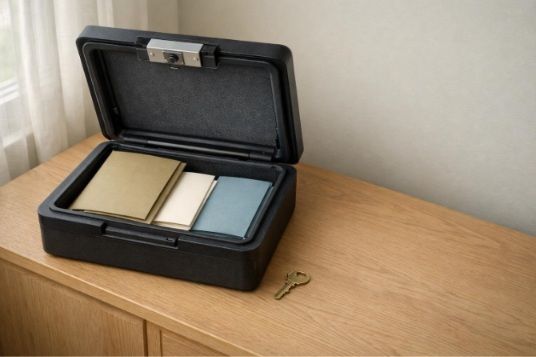
- Tell appropriate relatives where to look. A plan hidden in a filing cabinet does little good if nobody knows it exists. Share the storage location with the primary contact and at least one backup person.
One practical approach is to keep a paper copy with other important household records and a digital copy in a secure shared location that the chosen contacts can access. Test access while everyone is available, rather than assuming a password or file location will be easy to find later.
Review the Plan When Family Circumstances Change
A funeral plan should be treated as a living document, not a permanent instruction that can never be changed. Review it after a move, a change in health, a death in the family, a change in relationships, new financial circumstances, or a shift in personal beliefs or preferences.
Even a brief review can prevent confusion. Confirm that the main contact is still willing and able to serve, that phone numbers are current, and that the preferred service location still makes sense for the family. Updating early is far easier than asking grieving relatives to interpret an outdated plan.
For families connected to a
Farmers Branch funeral home, a thoughtful preplanning conversation can turn distance from a source of stress into a manageable detail. North Dallas Funeral Home & Cremation Services can help you organize the next steps and
discuss how relatives can participate from different locations. Call
(469) 818-0456 when you are ready to begin.
Frequently Asked Questions
Can Siblings Who Live in Different States Participate in Funeral Preplanning?
Yes. Siblings can share input through scheduled phone calls, video conversations, email, or a shared family message thread. The key is to establish who will gather questions and communicate final decisions with the funeral home.
Who Should Be the Main Contact for the Funeral Home?
Choose someone who is dependable, reachable, and comfortable communicating with relatives and the funeral home. This person does not need to carry the emotional burden alone, but they should be able to keep decisions organized and share reliable updates.
What Funeral Wishes Should Be Written Down?
Document disposition preferences, service type, preferred location, religious or cultural traditions, people to notify, obituary details, and any personal elements that matter deeply to the individual. Also include the names and contact information for the primary and backup contacts.
Can Family Members Review Funeral Arrangements From Far Away?
In many cases, relatives can participate in planning conversations and review information remotely. Ask the funeral home how it handles calls, documents, photographs, service details, and communication with family members who cannot be present.
Where Should a Preplanned Funeral Document Be Stored?
Keep it in a secure, clearly identified location with other important records, and provide access details to the primary contact and a backup person. A protected digital copy can also be useful if relatives live in different places.
How Often Should a Funeral Plan Be Updated?
Review it whenever major family or personal circumstances change. It is also wise to check the plan periodically to confirm that contacts, preferences, and document locations are still accurate.